
When Is It Time to Seek Help? Recognising the Signs Your Loved One Needs a Caregiver
Learn when to seek elder care support, spot early warning signs, and balance family and career with trusted home care solutions for peace of mind.

HeroGeneration
Published on April 9, 2026
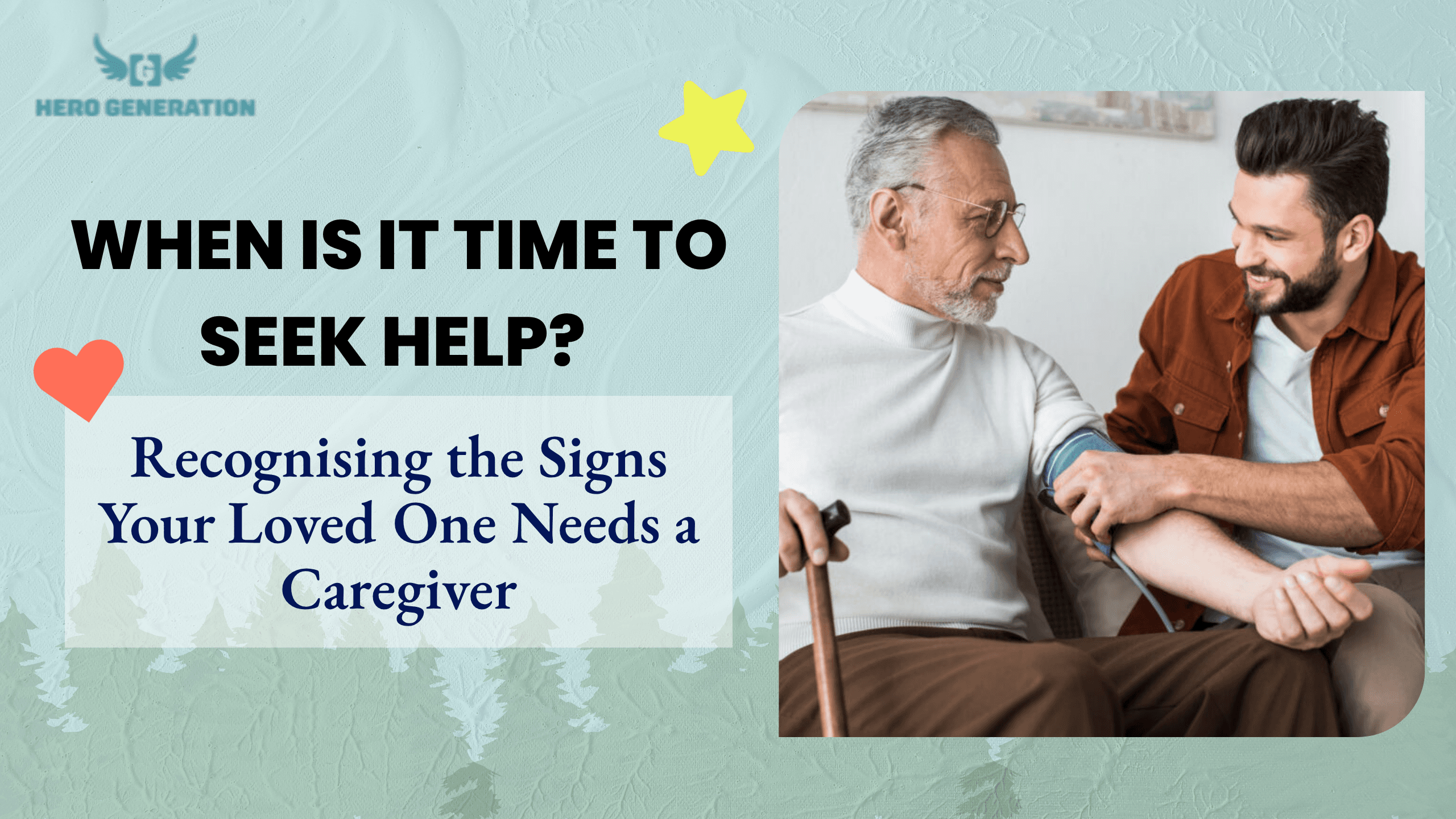
Yes, you are the kid of the house; you need to support your elderly parents and loved ones when they need it, but at the same time, you are a professional and want to build your career. But how can you dedicate time to both sides of your life? And elderly care when they are really fragile, the care becomes more and more demanding, it becomes emotionally and physically more challenging than expected. Then, in this situation, what do you do? Caring for ageing family members is one of the most meaningful responsibilities we take on, but it’s also one of the most complex. For many families, the decision to bring in outside help doesn’t come easily. There’s love, loyalty, and often a quiet belief that “we can handle this ourselves.” But here’s the truth: knowing when to ask for help isn’t a sign of failure, it’s a sign of responsibility. Whether you’re supporting your elderly parents, making a professional decision as a decision-maker, or a caregiver looking to make a meaningful impact, understanding when to step in with additional support can make all the difference in safety, quality of life, and peace of mind.
Why Timing Matters More Than You Think
Well, as a kid, I would never have thought that any time was the right time for us to get external help to look after our ailing parents. But we often run to the services at the last minute, and then the struggle begins. Waiting too long to seek help is one of the most common challenges families face. Often, care needs increase gradually, making it easy to miss the early warning signs.
But early intervention can:
Prevent accidents and hospitalisations
Maintain independence for longer
Reduce stress for both families and seniors
Improve overall wellbeing
The goal isn’t to take control away from your loved one; it’s to support them in living safely and comfortably.
The Subtle Signs That Often Go Unnoticed
Not all signs are obvious. Recognising small, quiet changes in daily habits early can help you feel more confident in your observations and prompt timely action.
Changes in Personal Hygiene
If your loved one is:
Bathing less frequently
Wearing the same clothes repeatedly
Neglecting grooming routines
It may signal difficulty managing daily tasks or a decline in mobility or energy.
Household Neglect
Take a look around their living space.
Is the home less tidy than usual?
Are dishes piling up?
Is laundry left undone?
For many elderly parents, maintaining a household becomes physically demanding over time.
Forgetfulness Beyond the Occasional Slip
Everyone forgets things, but consistent memory lapses can be a concern.
Missing medication doses
Forgetting appointments
Repeating conversations frequently
These may indicate cognitive changes that require closer attention and support.
Changes in Eating Habits
Nutrition often takes a hit before families realise it.
Skipped meals
Expired food in the fridge
Noticeable weight loss or gain
Meal preparation can become overwhelming, even for those who were once independent.
The More Obvious Signs You Shouldn’t Ignore
As care needs increase, the signs become harder to overlook.
Mobility Issues and Increased Risk of Falls
If your loved one:
Struggles to walk or stand
Has experienced recent falls
Avoids stairs or certain areas of the home
When mobility issues or recent falls occur, it’s a clear sign that additional support should be considered without delay.
Medication Mismanagement
Taking the wrong dosage or forgetting medication entirely can have serious consequences. This is one of the clearest indicators that professional care may be needed.
Social Withdrawal
Isolation is more than loneliness; it can impact both mental and physical health.
Avoiding social activities
Reduced communication with family and friends
Loss of interest in hobbies
A caregiver doesn’t just assist; they bring companionship and engagement.
Increased Caregiver Stress
If you’re feeling:
Constantly overwhelmed
Physically or emotionally drained
Unable to balance care with other responsibilities
It’s a sign that support is needed.
Caring for elderly parents should never come at the cost of your own wellbeing.
Why Families Delay the Decision
Let’s address the elephant in the room: this decision is emotional.
Many families hesitate because:
They feel guilty bringing in outside help
They worry about trust and safety
Their loved one resists the idea
They’re unsure where to start
But here’s a perspective shift:
Hiring a caregiver isn’t replacing family care; it’s strengthening it.
What the Right Caregiver Really Brings
A professional caregiver offers more than assistance with daily tasks.
They provide:
Consistency and structure
Safety and supervision
Emotional support and companionship
Relief for family members
When matched correctly, a caregiver becomes an extension of the family, not a substitute.
How Technology Is Changing the Way We Care
Modern elder care is no longer just about whom you hire; it’s about how care is managed. Tools like a caregiver support app and a caregiver management system empower families to stay connected and in control, fostering confidence in your caregiving journey.
Real-Time Visibility for Families
A caregiver support app allows families to:
Track daily care activities
Receive updates and reports
Stay connected, even from a distance
No more guessing. No more uncertainty.
Better Coordination and Accountability
A caregiver management system ensures:
Structured care plans
Consistent service delivery
Clear communication between all parties
For professionals and families, this creates a layer of trust and transparency that traditional care models often lack.
What to Do Next
If you’ve noticed even a few of the signs mentioned above, it may be time to explore your options.
Start by:
Having an open conversation with your loved one
Assessing their daily needs realistically
Exploring flexible care options you don’t have to commit to full-time support immediately
Partnering with a trusted provider like Hero Gen
Remember, care can start small and grow as needed
It’s About Support, Not Surrender
When, as a professional, you are looking for options to help you look after your loved ones when you are away, travelling, or even in meetings, home care stands out as the key solution. This one solution helps you get peace of mind while your parents are at ease, in safe, experienced hands. Although discussing hiring a home care provider can be a little emotionally challenging, when you recognise the signs mentioned above, you can demand the extra help. For elderly parents, it means maintaining independence with the right support. For caregivers, it means the opportunity to make a truly meaningful difference.
Ready to Take the First Step?
With Hero Gen, you’re not navigating this journey alone.
By combining compassionate caregivers with innovative tools like a caregiver support app and a caregiver management system, Hero Gen makes it easier to deliver care that is consistent, transparent, and built on trust. Because when it comes to your loved ones, “good enough” care isn’t enough.
You deserve care you can feel confident about, every single day.