The Shift From Reactive Care to Managed Home Care
Discover how managed home care transforms senior care from reactive to proactive using care coordination apps, reducing stress and helping loved ones thrive.

HeroGeneration
Published on February 2, 2026
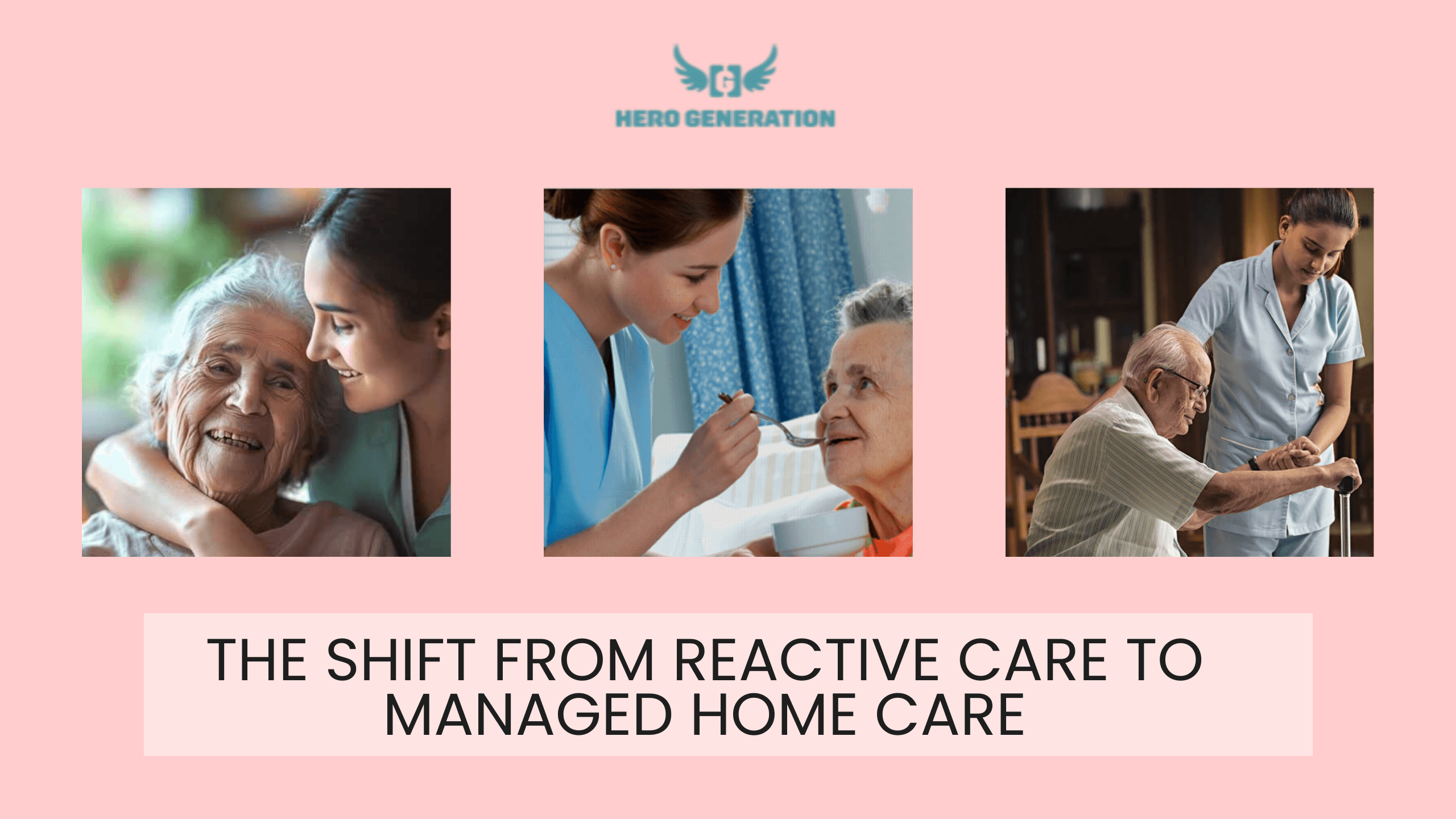
When you are trying to look after your ailing parents, you are always worried about what will happen next, what can go wrong, and what if you do not reach home on time. Therefore, we have hired home care providers who will help you look after the elderly individual or couple while you are away and will keep you informed and updated from time to time. But most home care is still based on reactive care. A fall happens. A medication is missed. A symptom worsens. Only then does the family respond. While well-intentioned, this approach places unnecessary stress on elderly individuals, their families, and the caregivers supporting them. Today, home care is evolving. Families and care teams are moving away from last-minute problem-solving and toward managed home care, a model built on coordination, visibility, and proactive planning. At the centre of this shift are digital tools like the care coordination app and structured family care management systems that align everyone involved in an older adult’s care. Hero Gen sits at the intersection of people and technology, helping families and caregivers transition from reactive care to a more thoughtful, connected, and sustainable approach to supporting ageing loved ones at home.
Why Reactive Care No Longer Works for Ageing at Home
When it comes to real care, we are talking about the individual who needs help with their medications, setting up their routine, taking them to the doctor, monitoring if they need medication, and tracking their progress. Reactive care is not a failure of love or effort. It is often the result of fragmented information and limited communication. Adult children juggle work, families, and caregiving from different locations. Caregivers rotate shifts. Medical instructions change. Essential details get lost.
When care is reactive, families often experience:
Constant anxiety about “what might go wrong”
Repeated emergency calls or rushed decisions
Burnout from trying to remember everything
Gaps between professional care visits
Limited visibility into daily routines and changes
For seniors, this model can feel confusing and unsafe. For caregivers, it creates pressure and misalignment. Reactive care treats symptoms rather than preventing problems.
What Managed Home Care Really Means
Managed home care does not mean institutional care or loss of independence. Instead, it means intentional oversight of daily care, supported by clear communication and shared information.
At its core, managed home care focuses on:
Planning care routines in advance
Tracking health changes consistently
Coordinating between family members and caregivers
Reducing reliance on crisis-driven decisions
Supporting both emotional and physical well-being
This approach recognises that quality senior care at home is not just about completing tasks; it’s about continuity, accountability, and clarity.
The Role of Care Coordination Apps in Modern Home Care
A care coordination app serves as the backbone of managed home care. Families and caregivers share information through a secure, centralised digital system that prioritises data privacy and security, addressing common concerns about confidentiality. These apps allow everyone involved in care to stay aligned, even when they are not physically present. Schedules, updates, care notes, and reminders are accessible in one safe place, reducing confusion and duplication. For families, this means peace of mind. For caregivers, it means confidence in delivering consistent care. For seniors, it means fewer disruptions and a more stable daily experience.
Hero Gen’s platform is designed specifically for this purpose, bridging the gap between human care and digital coordination to enhance communication and oversight.
How Family Care Management Changes the Caregiving Experience
Family care management goes beyond assigning responsibilities. It creates a shared understanding of what “good care” looks like and how it is delivered day to day.
Instead of one overwhelmed family member carrying the full mental load, care responsibilities become visible and shared. Everyone knows what has been done, what needs attention, and what has changed.
This model helps families:
Make informed decisions instead of emotional ones
Stay involved without micromanaging
Support caregivers more effectively
Track progress over time rather than reacting to setbacks
Maintain healthier relationships with their ageing parents
How Managed Home Care Supports Caregivers and Employees
Managed home care is beneficial not only for families. It also improves the working environment for professional caregivers. Caregivers often work under pressure, expected to deliver high-quality care while adapting to different family expectations and incomplete information. A coordinated system provides clarity and structure, allowing caregivers to focus on what they do best.
With a care coordination app in place, caregivers benefit from:
Clear care plans and expectations
Easy documentation of daily observations
Reduced misunderstandings with family members
Stronger professional accountability
A sense of support rather than isolation
This leads to better job satisfaction, improved performance, and lower turnover, which can translate into more efficient resource use and potential cost savings. By streamlining communication and reducing unnecessary hospital visits or emergency interventions, managed home care models like Hero Gen's platform help families and care providers allocate resources more effectively, ensuring sustainable and high-quality senior care at home.
Hero Gen understands that great care starts with supported caregivers, not just well-meaning families.
Bridging the Gap Between Families and Care Teams
When you hire someone to look after your parents or loved ones, you want to ensure that communication between the two parties remains absolutely clear. One of the most potent aspects of managed home care is its ability to align families and care professionals around a shared goal. Miscommunication often causes tension in home care settings. Families worry that caregivers are missing details. Caregivers feel families don’t understand daily challenges. Managed care systems reduce this friction by creating transparency. When updates are documented and accessible, trust grows naturally. Families feel reassured. Caregivers feel respected. Seniors experience calmer, more consistent care.
Hero Gen’s approach focuses on this alignment, ensuring that no one feels left out or overwhelmed by the caregiving process.
Senior Care at Home Becomes Predictable, Not Stressful
Predictability is often overlooked in home care, yet it plays a crucial role in well-being. Seniors thrive when routines are stable. Families feel safer when patterns are visible. Caregivers perform better when expectations are clear. Managed home care introduces predictability through planning, documentation, and communication. Instead of reacting to surprises, families and caregivers can anticipate needs and adjust proactively. This shift reduces emotional strain and allows everyone involved to focus on quality of life rather than constant problem-solving. As populations age and family structures change, the need for managed home care will continue to grow. Reactive care models are no longer sufficient for today’s caregiving realities. Managed home care offers a wiser, kinder, and more sustainable solution, one that respects the dignity of seniors, supports the well-being of caregivers, and relieves families from constant uncertainty. With platforms like Hero Gen, families no longer have to choose between involvement and overwhelm. Caregivers no longer have to work without support. Seniors no longer have to rely on last-minute interventions.
The shift from reactive care to managed home care is not just a trend; it is the future of ageing at home, done right.