
Caregivers are the last mile of health care — and we’re leaving them out of the innovation conversation
When people talk about healthcare innovation, the imagery is often models, dashboards, and enterprise integrations. Those are important. But the real, measurable difference happens at the bedside and at the kitchen table.
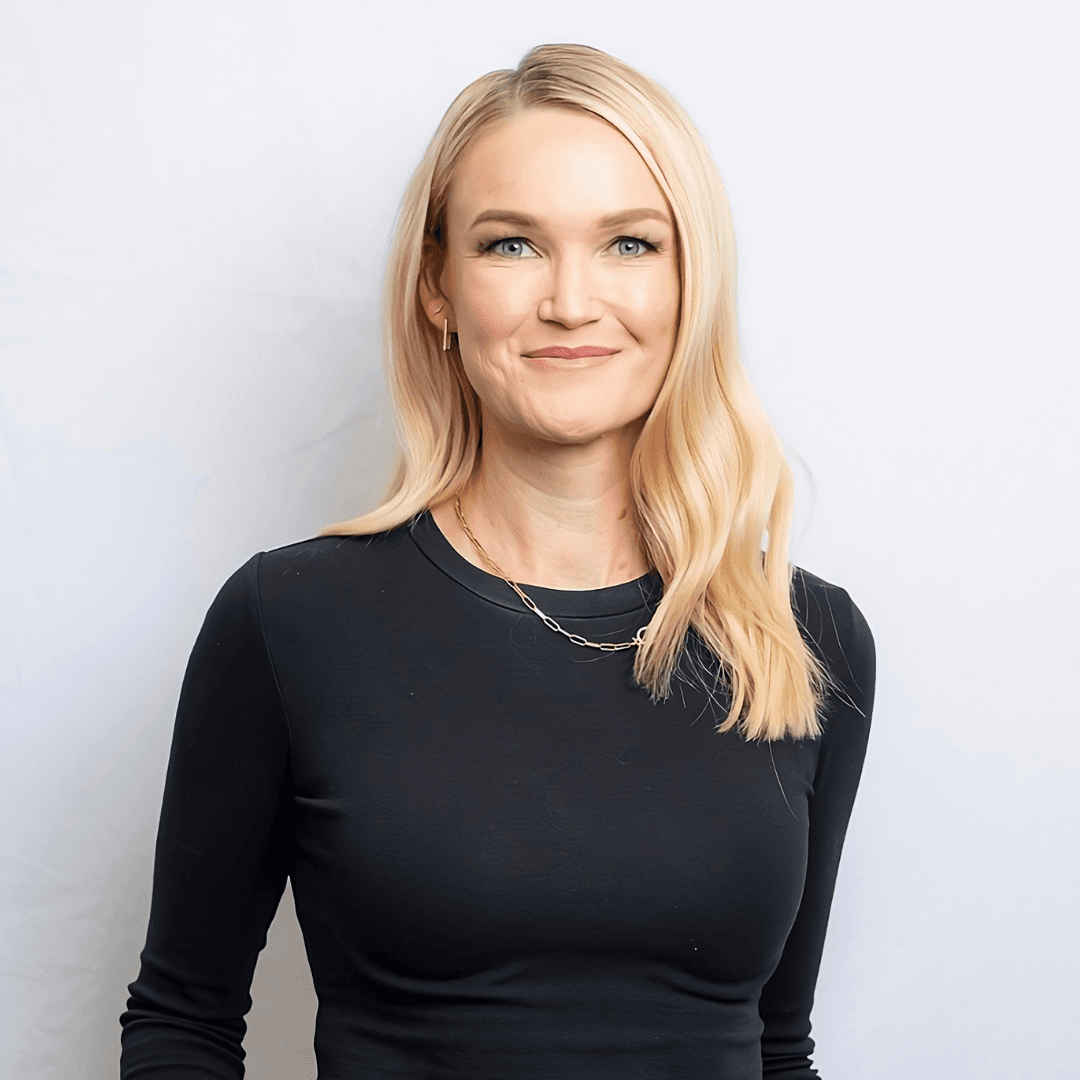
Nicole àBeckett
Published on January 15, 2026
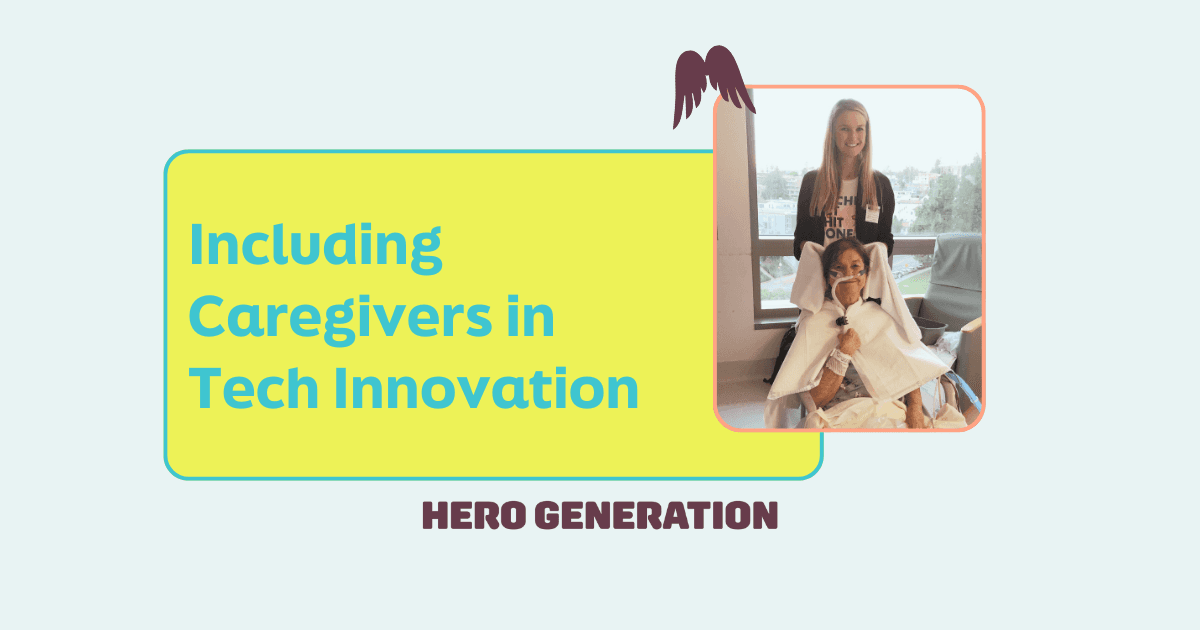
I used to go with my mom to every appointment — primary care, specialists, hospital stays, discharge planning, and physical therapy. I learned to translate medical jargon, coordinate medications, keep track of follow-up tasks, and be the consistent emotional support during moments of uncertainty. I was in the room for every critical decision, and yet I was never once addressed as a healthcare partner, given simple tools, or offered practical support. That gap wasn’t just painful — it was a missed opportunity to improve care.
This week at JPM there’s been huge energy around AI and other promising technologies for health care. I love innovation — but tech won’t deliver on its promise unless it’s built for the people who use it and those it affects. Caregivers — professional and family alike — are the last-mile workforce who turn platforms into outcomes. Too often they’re invisible in product design, clinical workflows, and funding decisions. At HeroGeneration, we believe that has to change.
Why caregivers matter — and why they’re overlooked
When people talk about healthcare innovation, the imagery is often models, dashboards, and enterprise integrations. Those are important. But the real, measurable difference happens at the bedside and at the kitchen table — when a family member interprets a discharge plan, when a home health aide helps with a medication schedule, when someone teaches a spouse how to use a new device. Those daily actions are the last mile of care: the human labor that makes clinical plans work in real life.
Despite this, caregivers are frequently absent from three critical places:
Product design conversations. Features and workflows are rarely validated with the people who will actually use them in the home.
Clinical decision-making. Care teams often assume information reaches caregivers — but it doesn’t, or it arrives in formats that are unusable.
Investment and policy priorities. Workforce supports, caregiver training, and low-friction tools receive less attention than flashy tech pilots.
The consequence is predictable: well-intentioned solutions that add tasks, increase cognitive load, or create new points of failure for caregivers — and, as a result, for the patients they support.
AI and health tech: promise without purpose is still just noise
There is enormous promise in AI — better diagnostics, personalized pathways, predictive analytics. But technology is only as good as the context in which it’s deployed. An algorithm that identifies a risk is only valuable if the person on the ground — the caregiver — can act on that insight, understands it, and has the tools to follow through.
Too often, AI products are built to impress clinicians and payers, without testing whether a family caregiver or a frontline aide can actually use the output. A model that suggests a change to a medication regimen won’t help if the caregiver can’t reach the prescribing team, can’t interpret the recommendation, or is overwhelmed by competing priorities. In short: impact depends on people, not just predictions.
Designing for the last mile: principles that should guide health innovation
If we want AI and digital health to improve lives at scale, we need to flip the design lens. Here are practical principles I wish every builder and funder would adopt:
Design with caregivers, not for them. Involve family caregivers and frontline workers in product discovery and testing from day one. Their workflows, constraints, and language must shape the user experience.
Reduce, don’t add, friction. The best tools shave steps off a caregiver’s day — automating follow-ups, clarifying next actions, and consolidating communication — instead of introducing new platforms they must learn.
Make information actionable. Insights must map to simple, trusted next steps: who to call, what to ask, and what to do in five minutes versus what needs clinician involvement.
Respect emotional labor and privacy. Caregiving is intimate and often stressful. Tools should preserve dignity, limit unnecessary notifications, and protect personal data.
Measure outcomes that matter to families. Beyond cost savings and utilization, evaluate whether a solution reduced caregiver stress, improved medication adherence, or made transitions home safer.
How HeroGeneration centers caregiving
That’s the gap we started HeroGeneration to close. We build practical, caregiver-centered solutions that reduce friction, protect dignity, and make caregivers visible partners in care. Our work is focused on translating clinical plans into everyday actions that are realistic and sustainable for the people doing the work.
What that looks like in practice:
Simple workflows that map directly to the tasks caregivers are already doing.
Communication flows that connect caregivers to the right clinician or service without extra steps.
Design choices that prioritize clarity and speed over feature bloat.
Partnerships with health systems and employers to embed caregiver needs into clinical and benefits pathways.
We don’t believe in tech for tech’s sake. We believe in tools that make caregiving manageable and that measure success by whether they make someone’s day easier, safer, and more sustainable.
A call to builders, funders, and health leaders
If you build AI products for health, or if you fund them, ask one simple question before you scale: who is using this at the bedside and the kitchen table? If your answer is “no one” or “we haven’t tested that,” start there.
Caregivers are not an afterthought. They are a strategic lever for better care, lower downstream costs, and more humane systems. Centering caregivers is not charity — it’s smart design and smart investment.
About Nicole àBeckett
Nicole àBeckett is the founder of HeroGeneration, a platform born from her personal journey as a caregiver to her aging parents. While raising her own young family, Nicole was thrust into the complex world of hospital discharges, care decisions, and medical advocacy — all with little guidance or support. Her experience as part of the “sandwich generation” inspired her to create a resource that didn’t exist: one that empowers caregivers with clarity, tools, and community during some of life’s most overwhelming transitions. A passionate advocate and social entrepreneur, Nicole brings heartfelt stories, practical insights, and a mission to shine a light on the invisible work of caregiving. She’s on a mission to change how we support family caregivers — and to remind them they’re not alone.